Green Initiatives: How E-Waste Recycling Services Are Protecting Our Planet
E-waste represents a considerable hazard to the environment, as abandoned electronic devices commonly carry harmful materials. These toxic materials have the potential to taint soil and water sources, leading to broader ecological damage. E-waste recycling initiatives provide a practical answer. They successfully retrieve useful resources while simultaneously minimizing environmental pollution. Understanding how these services operate and their impact on communities is essential. The journey towards effective e-waste management raises critical questions about individual responsibility and collective action. What steps can be taken next?
Why Electronic Waste Is Harmful to the Planet
Even though technology enriches modern life, electronic waste presents significant environmental threats. Discarded electronic devices, commonly laden with hazardous materials such as lead, mercury, and cadmium, are capable of seeping pollutants into soil and groundwater, creating hazards for both wildlife and human well-being. The accelerating rate of technological innovation leads to greater consumer replacement of electronic devices, intensifying the growing problem of discarded electronic materials.
Landfills, already strained by waste, are unable to keep up with the rising quantities of abandoned electronics. Burning, an alternative disposal approach, discharges toxic contaminants into the air, worsening overall air quality. In addition, improper recycling practices can lead to the exportation of e-waste to developing countries, where laborers may dismantle devices without adequate safety measures, exposing themselves to dangerous substances. This cycle of neglect and improper handling underscores the urgent need for sustainable recycling solutions that can mitigate the adverse effects of e-waste on the planet.
What Is E-Waste and Why Is It Important?
E-waste, or electronic waste, includes obsolete electronic products including computers, smartphones, and televisions that have exceeded their operational lifespan. This growing category Browse all of waste is significant because of its swift buildup, propelled by advances in technology and evolving consumer behaviors. As growing numbers of electronics become outdated, the environmental impact intensifies, with dangerous elements including lead, mercury, and cadmium posing risks to ecosystems and human health.
Addressing e-waste is crucial not only for reducing these dangers but also for acknowledging the precious materials found within it. Critical metals and rare earth components can be reclaimed and recycled, decreasing the reliance on mining and protecting natural resources. By understanding e-waste and its implications, individuals and organizations can make informed decisions about disposal and recycling, ultimately contributing to a more sustainable future. Effective handling of e-waste is vital for encouraging a circular economy and advancing environmental responsibility.
The Way E-Waste Recycling Functions
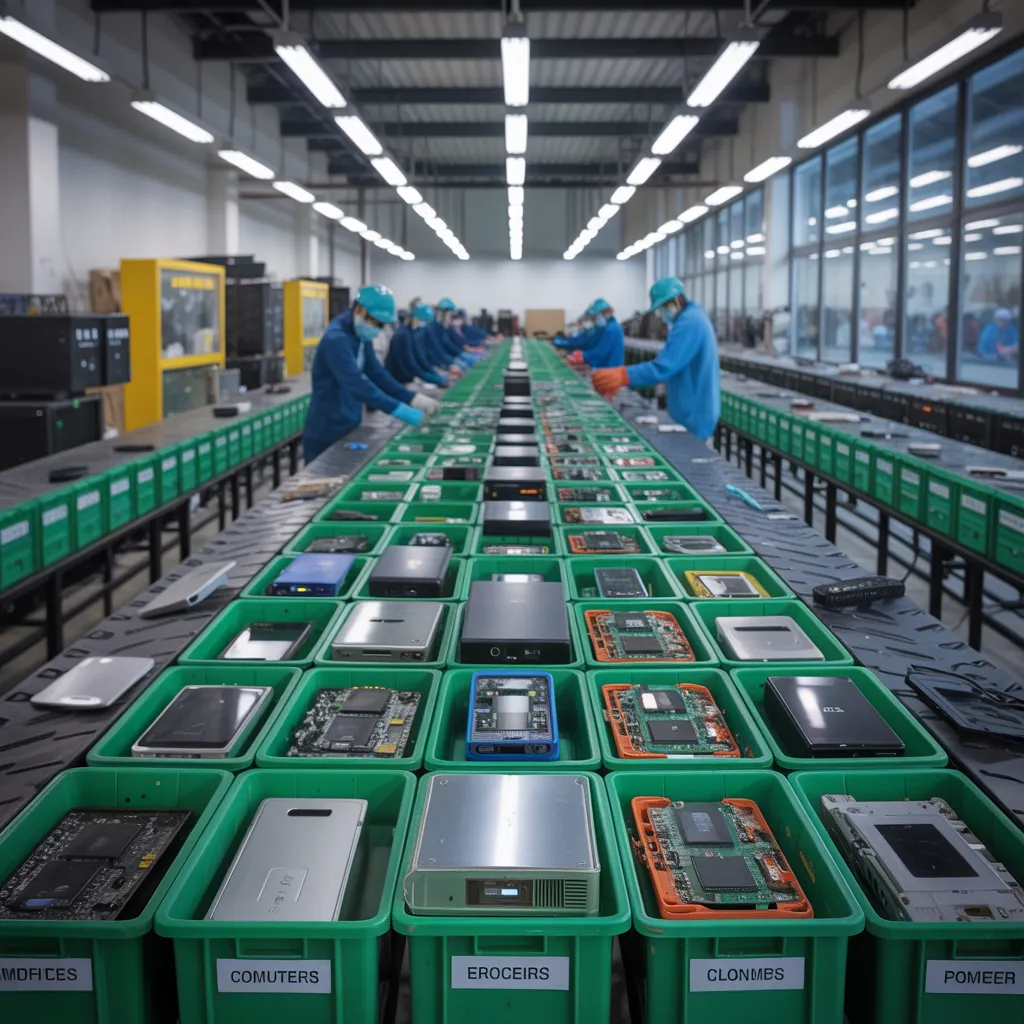
The recycling of e-waste encompasses a structured approach aimed at reclaiming useful resources while minimizing environmental impact. To begin, discarded electronics are retrieved and sent to dedicated processing centers. Upon arrival, the devices undergo thorough sorting to isolate dangerous parts from recoverable materials.
After this step, employees dismantle the electronics, separating metals, plastics, and glass. This stage is crucial, as it allows for the recovery of rare metals like silver, gold, and copper, which are repurposed in new electronic products.
Subsequently, the sorted materials are treated through sophisticated techniques, such as chemical treatments and shredding, to purify them for repurposing.
In the final step, the residual hazardous waste is handled with responsibility, adhering to environmental regulations. This comprehensive process not only preserves valuable resources but also minimizes the hazards linked to unsafe e-waste handling, guaranteeing a greener future for the consumption of electronics.
Why E-Waste Recycling Matters for You and Your Community
Though many people are unaware, the benefits of e-waste recycling extend beyond personal convenience to positively impact entire communities. By responsibly disposing of electronic waste, individuals contribute to a safer environment, minimizing hazardous materials that can seep into soil and water. This proactive approach actively safeguards local ecosystems and supports public health.
Furthermore, e-waste recycling promotes workforce growth within communities. Regional recycling centers frequently need staff for various operations, including collection and processing, thereby providing employment opportunities for local residents. This not only enhances the community economy but also promotes community participation in sustainable initiatives.
Moreover, understanding of e-waste recycling may result in learning opportunities, encouraging residents to adopt eco-friendly choices. By taking part in e-waste recycling programs, individuals cultivate a culture of sustainability, inspiring others to join the movement. Ultimately, the collective impact of these actions can contribute to a more strong and environmentally aware community.
Tips for Choosing an E-Waste Recycling Service
Selecting the best e-waste disposal service is crucial for making sure that electronic refuse is handled in a responsible and sustainable manner. First, individuals should check the provider's accreditations, such as R2 and e-Stewards certifications, which signify conformance to industry standards for secure waste disposal procedures. It's also important to evaluate the company's standing by checking reviews and obtaining recommendations from trusted sources.
Moreover, clarity in the recycling process is essential. A trustworthy company should provide clear information about the way e-waste is handled and what happens to the materials. Furthermore, considering the scope of services provided can prove valuable; certain providers may offer collection services or present rewards for recycling.
Finally, familiarizing yourself with area-specific requirements for e-waste disposal can help inform the selection process. When these considerations are given priority, individuals can contribute to efficient electronic waste handling while supporting green and responsible behaviors.
Ways You Can Participate in E-Waste Recycling?
Participating in e-waste recycling may begin at the local level, where recycling centers regularly supply essential services for responsible disposal. Additionally, participating in community awareness campaigns can amplify efforts to educate others about the importance of ethical e-waste practices. Such efforts not only advance environmental sustainability but also cultivate a collective sense of accountability for the environment.
Community Recycling Locations
A wide range of neighborhood recycling stations serve a vital function in electronic waste recycling, supplying communities with reliable ways to dispose of electronic waste responsibly. These centers accept a variety of electronic devices, including outdated computers, mobile phones, and TVs, ensuring that harmful materials are handled safely. The majority of facilities employ trained staff who help individuals navigate appropriate disposal procedures, underscoring the benefits of recycling compared to landfilling. Moreover, various hubs coordinate organized drop-off opportunities or appointed collection periods, making it easy for residents to participate. By engaging with these local facilities, community members advance a circular economy, minimizing ecological impact and fostering sustainable behaviors. Engaging with these centers allows communities to address e-waste pollution proactively.
Community Outreach Campaigns
Local organizations, schools, and businesses can work together to organize events that support e-waste collection drives. Community members can serve a critical function in spreading awareness, distributing educational materials, and engaging with the community. As a result of these combined actions, community members grow more knowledgeable and inspired to dispose of their electronics responsibly, ultimately contributing to a more sustainable future.
Common Questions and Answers
What Types of Electronics Can Be Recycled?
Numerous electronics are able to be recycled, including laptops, televisions, smartphones, printers, computers, and gaming consoles. Furthermore, peripherals such as mice, keyboards, and batteries are also suitable for recycling, aiding in sustainable environmental practices.
Do Any Costs Come With E-Waste Recycling?
That's correct, electronic waste recycling may involve fees, subject to the service provider. Some facilities charge fees for collection or processing, while others make services available at no charge, typically funded by the resale of recovered materials.
How Can Businesses Benefit From E-Waste Recycling?
Businesses can benefit from e-waste recycling by reducing disposal costs, enhancing their environmental image, complying with regulations, reclaiming useful materials, and creating potential earnings via resale, thereby fostering a more environmentally responsible business approach.
What Becomes of Data on Recycled Devices?
Data regarding refurbished electronics is commonly permanently erased or destroyed during the refurbishment process. This guarantees sensitive information remains secure, stopping improper access while permitting resources to be repurposed safely and responsibly across new manufacturing processes.
Are Broken Electronics Eligible for Recycling?
Yes, broken electronics can be recycled. Numerous facilities receive defective devices, providing proper disposal and retrieval of useful materials. This helps decrease the environmental footprint while supporting eco-friendly recycling methods to address electronic waste efficiently.
Comments on “Schedule Electronics Recycling Services for Eco Disposal”